
یہ بھی دیکھیں


 03.03.2026 02:05 PM
History repeats itself. Some analysts compare current events to 2022, others to the 1970s. Four years ago, the armed conflict in Ukraine triggered an energy crisis in Europe, and the euro plunged below parity against the US dollar. Half a century earlier, the oil shock and a Fed funds rate cut at the president's behest led to uncontrolled inflation and then a double?dip recession.
Despite the soon?to?be Fed chair Kevin Warsh's apparent desire to ease monetary policy to please Donald Trump, in the 1970s, the United States was not yet a net exporter of energy. Yes, more oil passed through the Strait of Hormuz back then than now. However, today that artery also carries other commodities, including gas. The surge in natural gas prices of about 70% since the end of February and depleted European inventories strongly echo the events of 2022.
Then, the theme of American exceptionalism resurfaced. The US is further from the hot spots in Eastern Europe than its competitors; therefore, capital flows there. Gas prices rose far faster in the Old World, the euro area GDP slowed, and inflation accelerated. The ECB was put in an extremely uncomfortable position: it needed to save the economy by cutting rates, but could not — the risk of rising prices was high.
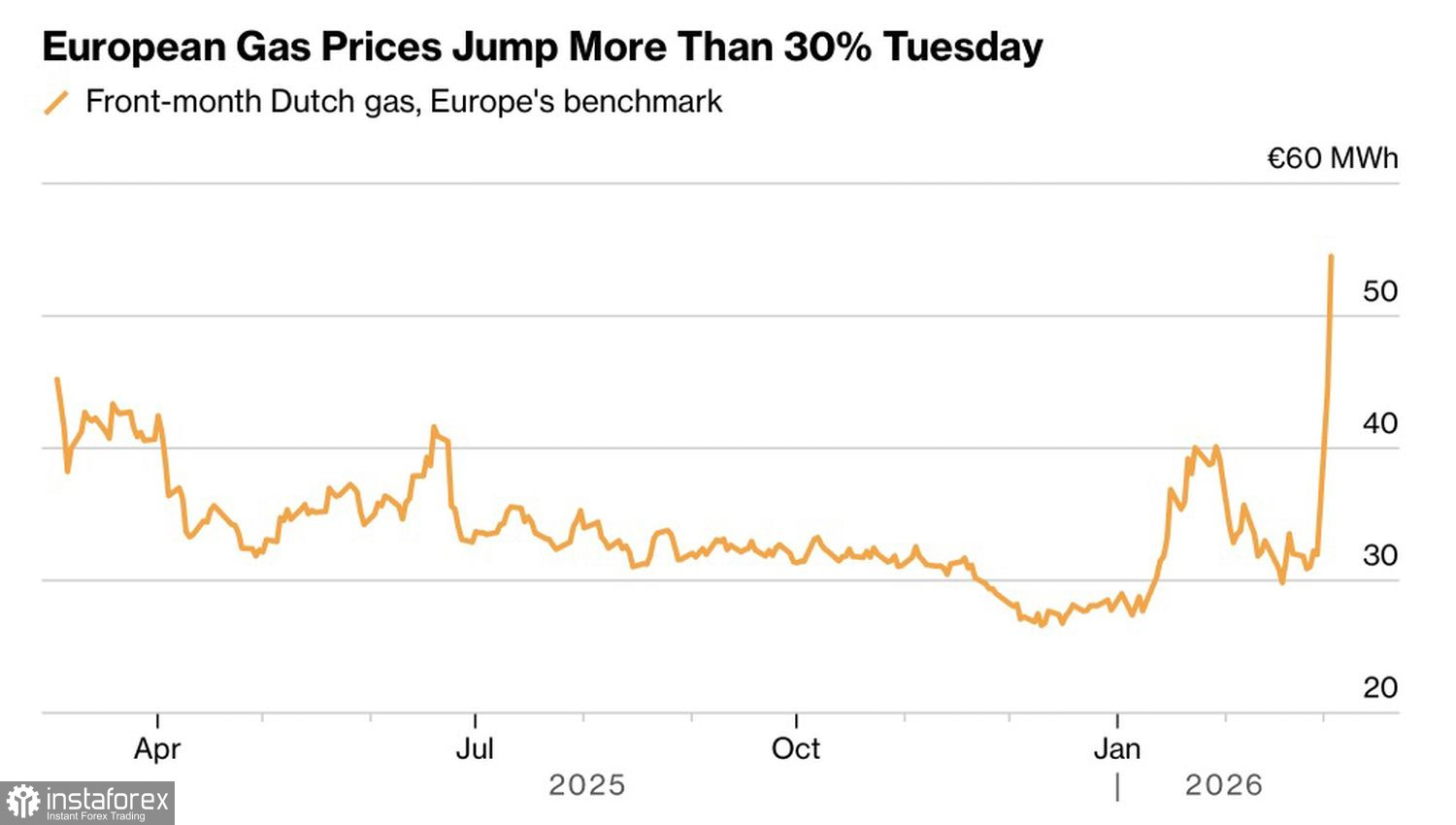
A repeat of that story would be bad news for a currency bloc that has only just begun to recover. Governments will need fiscal support measures for households, yet much of the available fiscal room has already been spent on infrastructure and defense industry needs.
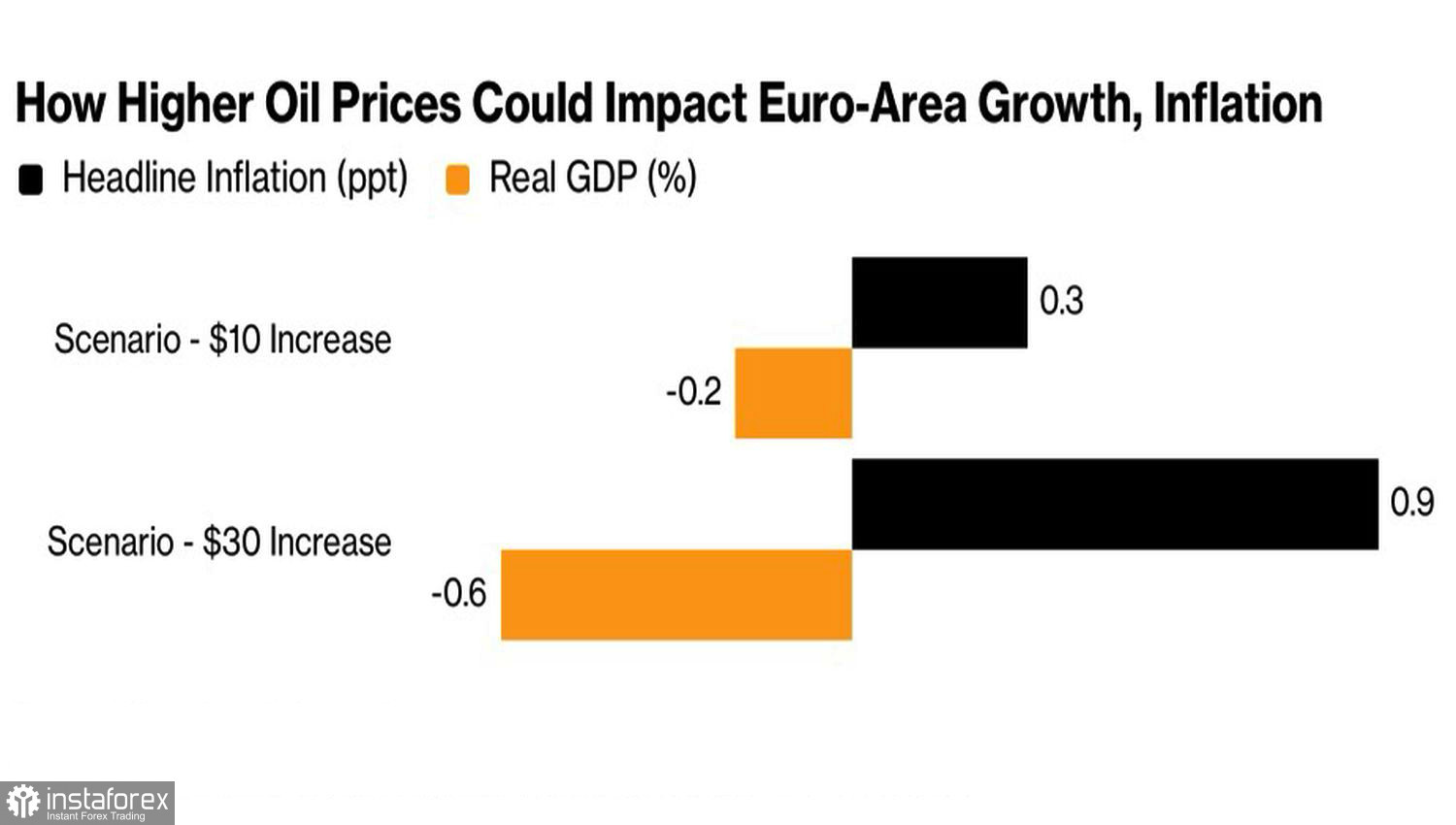
In short, Europe could withstand a Middle East conflict if it lasts a month. But no one knows how events will actually unfold.
The US Department of Defense rejects the idea of an endless war with Iran, but Donald Trump says there are no fixed deadlines. The White House has not ruled out US boots on the ground, though the president believes it is not necessary at this stage. He said the operation was planned to take 4–5 weeks, but may end up taking longer.
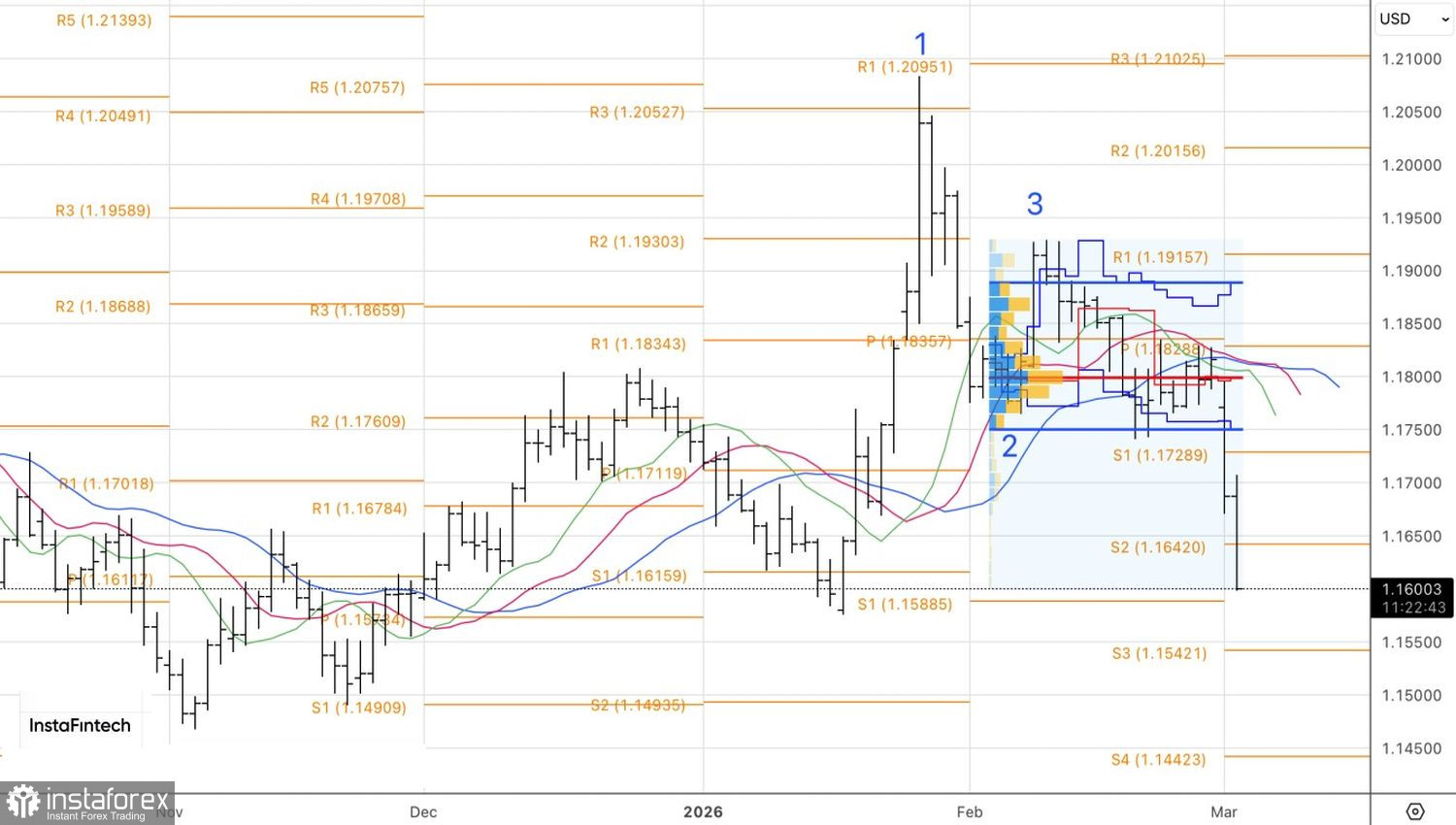
The collapse of EUR/USD indicates that markets are pricing in a pessimistic scenario: they are embedding a prolonged confrontation in the Middle East into the major currency pair.
Technically, the daily chart for EUR/USD shows completion of a 1?2?3 reversal pattern. Both targets on short positions opened from 1.1835 to 1.1715 and 1.1615 have been met. A break of the pivot level at 1.1590 would raise the risk of a further plunge toward 1.1490. Conversely, a rebound would allow the pair to find a bottom and give traders reason to take profits and consider reversing positions.


