
আরও দেখুন


 13.05.2026 01:00 AM
Oil prices have surged as negotiations between the US and Iran fall apart, the Strait of Hormuz is effectively blocked, and supplies are in chaos. Brent is already up about 2% and may exceed $106 per barrel.
Oil is rising again, largely due to the precarious situation with Iran. No one is sure if a ceasefire can be quickly reached, which is making markets nervous and pushing prices higher.
Monday began with American indices hitting record highs, driven by rising energy prices and AI-related companies. At the same time, yields on Treasury bonds have slightly increased.
Trump, in the Oval Office, stated to reporters that the ceasefire with Iran could collapse and that he does not intend to reduce pressure until Tehran abandons its nuclear program. The US leader referred to Iran's latest response as "a piece of garbage." Following this, shipping in the Strait of Hormuz has been virtually paralyzed, and oil prices have soared further.
In response to the US proposal, Iran demanded the removal of the naval blockade and the easing of sanctions, while wanting to maintain control over passage through the strait. As a result, Brent has gained about 2%, and there are already talks that the price could exceed $106 per barrel.
This has also fueled concerns about inflation: 10-year Treasury yields have risen about 2 basis points to around 4.43%. Trump claimed that a new military operation has not yet been confirmed and that diplomacy is still possible, but Tehran does not seem ready to make concessions—the Iranians continue to maintain control over the strait and periodically attack American targets.
All of this confirms the complete failure of every attempt to end this protracted conflict. This war, which has shaped the global energy crisis, creates political risks for Trump and the entire Republican Party.
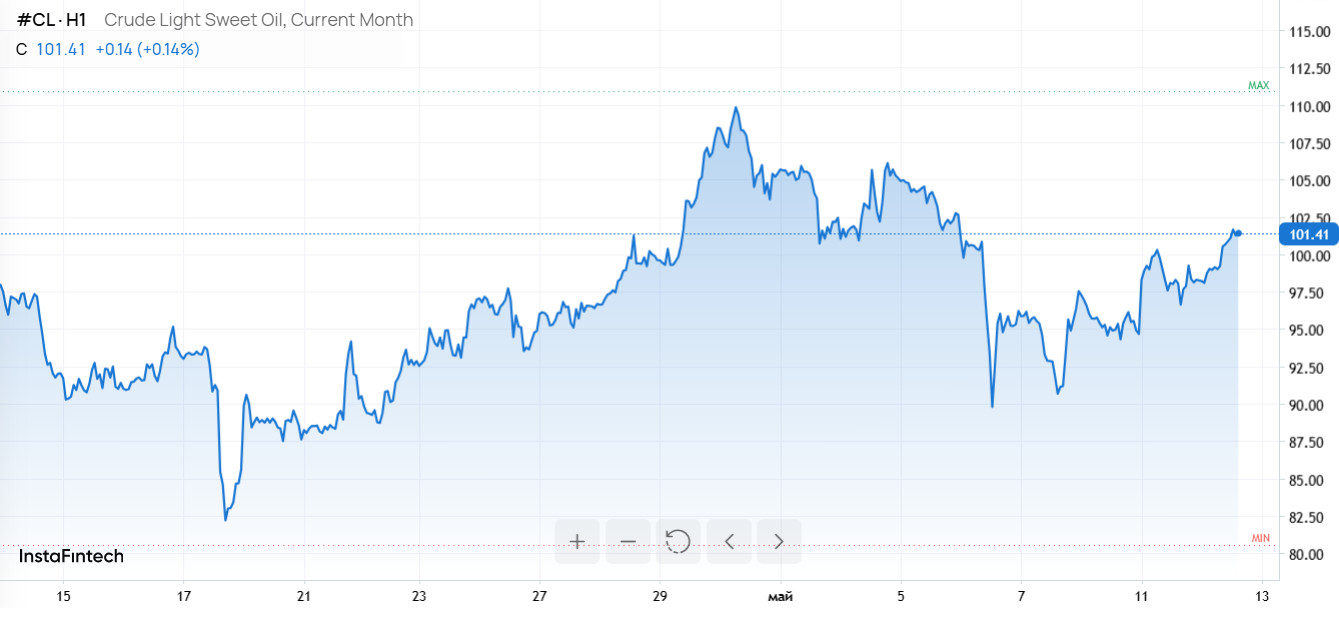
To relieve some pressure on American drivers, Trump decided to suspend the gasoline tax. While it seems reasonable, such a broad gesture will cost the US budget billions of dollars each month. Meanwhile, the Department of Energy released 53.3 million barrels from strategic reserves, including through traders and involving refiner Marathon Petroleum.
The Wall Street Journal, citing unnamed sources, reported that the UAE allegedly conducted attacks on Iran last month. The US Treasury has also imposed sanctions on a dozen companies and individuals linked to the sale of Iranian oil to China. Companies from Hong Kong, the UAE, and Oman have been included in these lists.
It is evident that one of the topics for the upcoming negotiations between Trump and Xi Jinping at the end of this week will be Iran. Reports indicate that the leaders of the two countries intend to discuss the money China receives from Tehran and potential arms exports. This is a highly sensitive topic, so the meeting will receive close attention.
Saudi Aramco CEO Amin Nasser stated that global markets are losing about 100 million barrels a week due to the closure of the Strait of Hormuz. Analysts at Saxo Bank note that the oil market is tightening: the chances for a quick restoration of passage through the strait are diminishing.
The market is also focused on reports from the EIA, IEA, and OPEC, which will be released in the coming days to finally clarify the picture of supply and demand.


