
আরও দেখুন


 05.06.2026 08:38 AM
Tensions in the Middle East have eased slightly, and traders have shifted their focus to key US fundamental data that will influence the Federal Reserve's future monetary policy.
Before that, a rather weak report on changes in Eurozone GDP and employment data is expected in the first half of the day. These indicators will undoubtedly attract close attention from traders, as they may provide valuable insights into the current state and prospects of the European economy. Expectations of weak results and a growth rate of only 0.1% in the first quarter of this year may put pressure on the euro, while unexpectedly strong figures could boost the currency. Employment data is also likely to be scrutinized closely. Although the unemployment rate in the Eurozone remains relatively low, any signs of its increase could signal growing concerns about economic activity. Weak employment figures could exacerbate fears of a recession, while strong figures could support growing confidence in the resilience of the European labor market.
As for the pound, today's financial calendar for the United Kingdom is rather subdued; however, the data and an upcoming speech by an official could have some impact on market sentiment. In the first half of the day, traders will focus on the release of the Halifax House Price Index. Preliminary expectations do not signal positive news, and analysts agree that this indicator is likely to continue to show negative dynamics. This could serve as further evidence of cooling in the British housing market, which has been under increased pressure from high interest rates and broader economic uncertainty in recent months.
However, a more significant event in the second half of the day will be the speech by Bank of England Monetary Policy Committee member Swati Dhingra. Her comments could contain valuable hints regarding the future direction of monetary policy, especially in light of recent inflation trends and growth prospects. Market participants will be closely listening for any statements related to inflation risks, the state of the labor market, and the overall economic outlook. Any signals regarding a possible change in the Bank of England's approach to interest rates could lead to increased volatility in the currency market.
If the data aligns with economists' expectations, it is better to act based on the Mean Reversion strategy. If the data is significantly above or below economists' expectations, it is best to use the Momentum strategy.
Buy on breakout of level 1.1625 may lead to euro rising to the area of 1.1658 and 1.1698;
Sell on breakout of level 1.1600 may lead to euro falling to the area of 1.1579 and 1.1550;
Buy on breakout of level 1.3440 may lead to pound rising to the area of 1.3475 and 1.3510;
Sell on breakout of level 1.3410 may lead to pound falling to the area of 1.3380 and 1.3350;
Buy on breakout of level 160.02 may lead to dollar rising to the area of 160.24 and 160.43;
Sell on breakout of level 159.83 may lead to dollar losses in the area of 159.60 and 159.39;
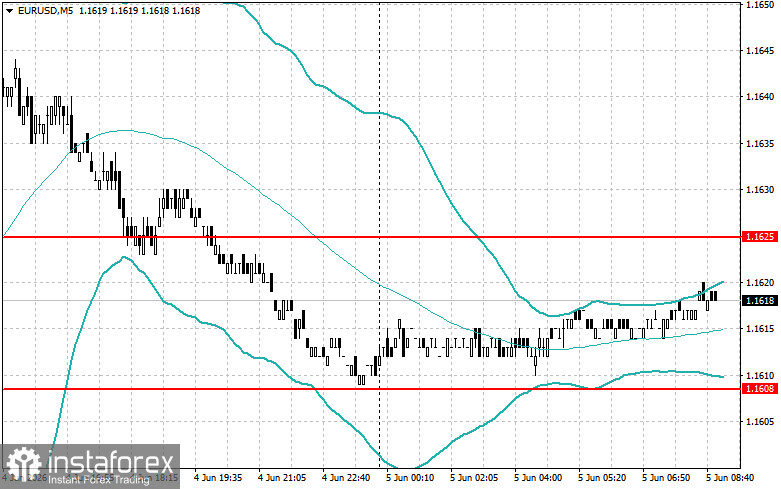
I will look for short positions after a failed breakout above 1.1625 on a return below this level;
I will look for long positions after a failed breakout above 1.1608 on a return to this level;
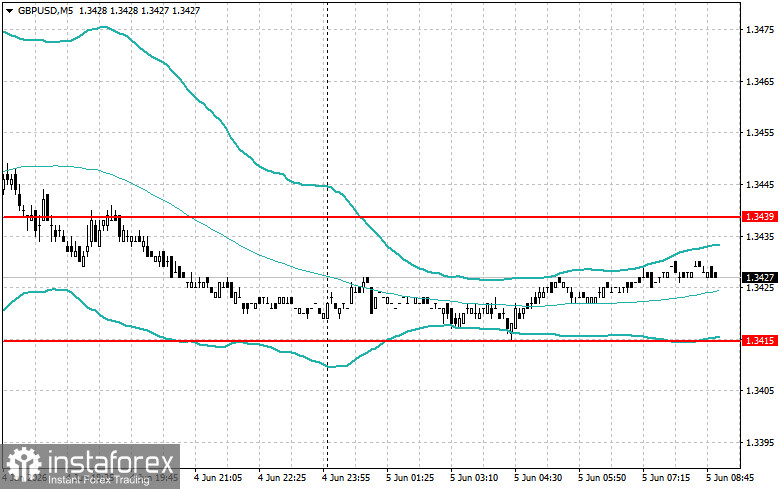
I will look for shorts after a failed breakout above 1.3439 on a return below this level;
I will look for longs after a failed breakout above 1.3415 on a return to this level;
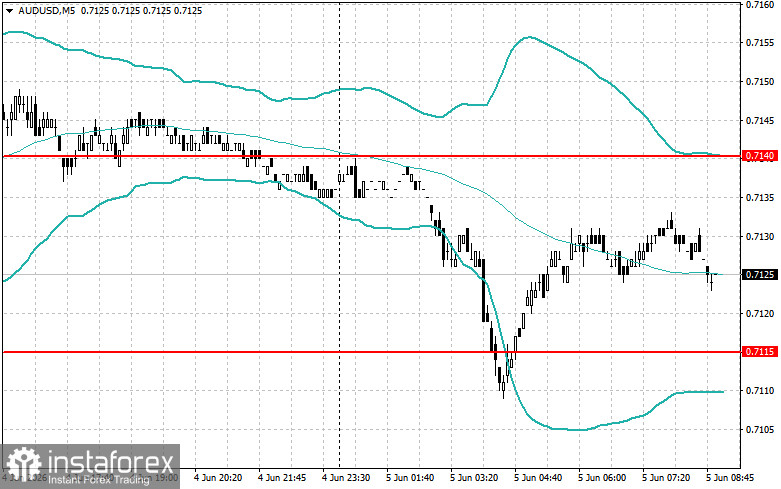
I will look for shorts after a failed breakout above 0.7140 on a return below this level;
I will look for longs after a failed breakout above 0.7115 on a return to this level;
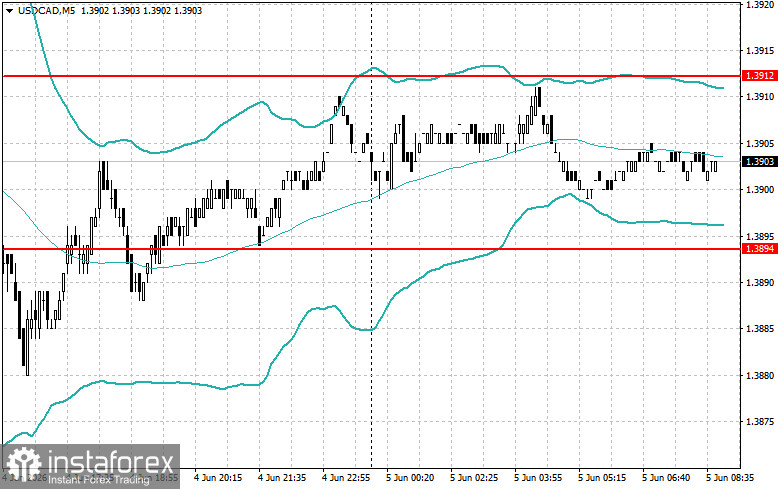
I will look for shorts after a failed breakout above 1.3912 on a return below this level;
I will look for longs after a failed breakout above 1.3894 on a return to this level;


