
Vea también


 03.03.2026 12:45 AM
Amid the conflict in the Persian Gulf, the oil market is experiencing significant fluctuations. The economy faces risks in supply and logistics, as well as geopolitical tensions that could substantially impact prices. Let's look at what is happening in the oil market and what it means.
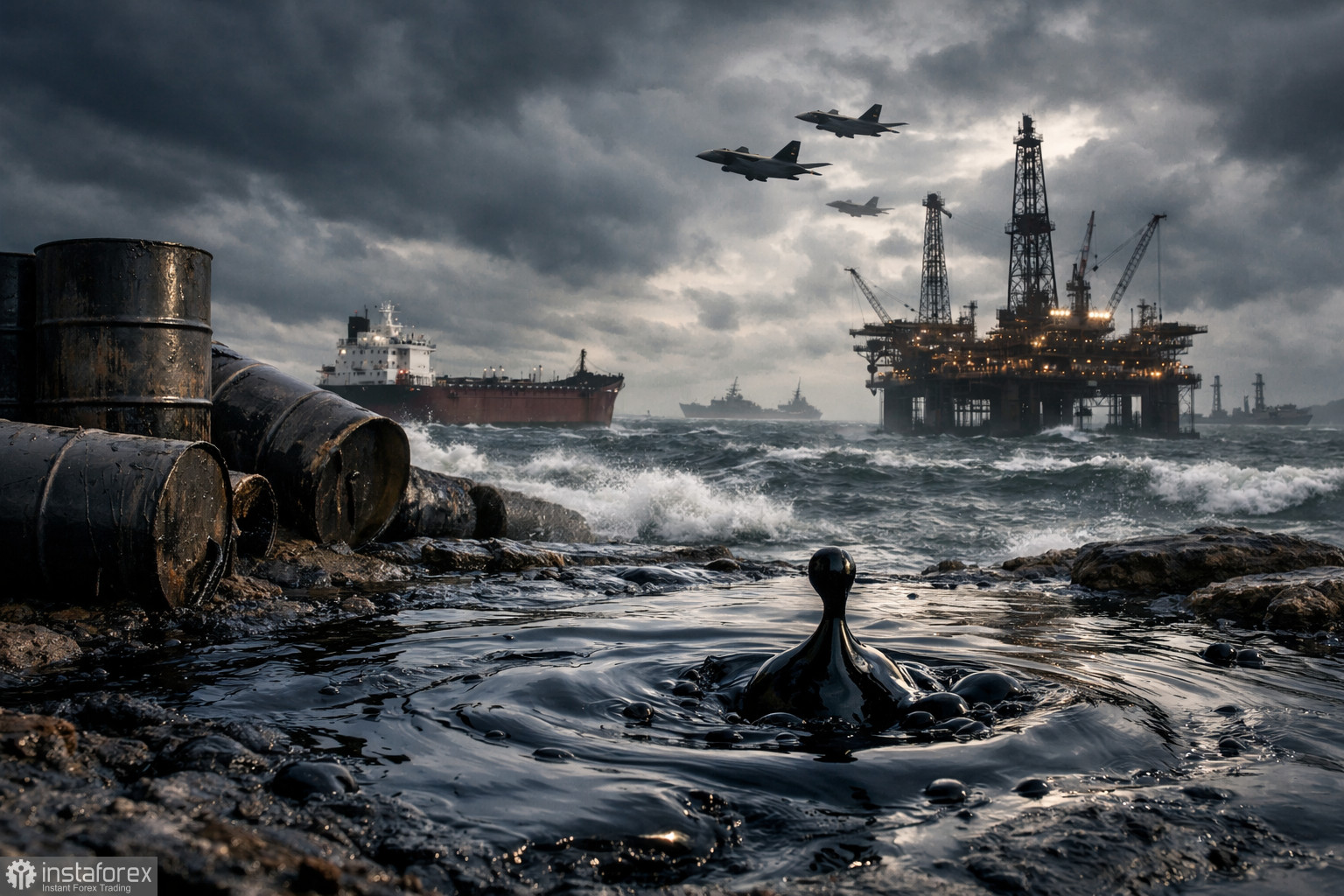
On March 2, 2026, oil prices surged sharply. Brent quotes rose to $82.37 per barrel, which is 13% higher than the previous day. Soon after, prices slightly retraced and stabilized at $78–79 per barrel (a 7-8% increase). The price of WTI also rose by 12%, reaching $75.33 per barrel, but then stabilized in the range of $71–72 (+7%).
The primary reason for such fluctuations is concerns regarding oil supplies. The geopolitical situation in the region, along with attacks on oil tankers and threats to block maritime routes, forces investors to reassess their risks, leading to rising prices.
The Strait of Hormuz remains a crucial artery for global oil trade. Approximately 20% of the world's oil passes through it, as well as a significant portion of liquefied gas. Any threats to this passage have an immediate impact on oil prices.
Recent attacks on tankers in this area have already resulted in damage to at least three vessels and the loss of a sailor's life. Additionally, 150 ships have been stranded at the entrance to the strait, fearing to navigate through it.
In response to these threats, insurers have begun to limit coverage for ships in this area, further complicating shipping. Some tankers heading to Japan are now remaining in the Persian Gulf, avoiding dangerous waters.
Following the deterioration of the situation in the Persian Gulf, marine insurers have canceled war-risk coverage for vessels navigating through Iranian waters and adjacent areas. This decision will take effect on March 5, 2026.
Such changes have immediately affected the cost of oil delivery. For example, freight prices for transporting oil from the Persian Gulf to Asia have tripled since the beginning of the year. The cost of shipping for large tankers has now reached $12 million per trip, the highest level since 2020. All of this is related to the risks of attacks and increased insurance costs.
Geopolitical instability is also impacting oil production capacities. For instance, Saudi Arabia has suspended operations at one of its largest oil refineries, Ras Tanura, following a drone strike. The refinery processed 550,000 barrels of oil per day.
Additionally, oil supplies from Iraqi Kurdistan have been halted. The flow of oil through the pipeline to Turkey has stopped, equivalent to 200,000 barrels per day. Furthermore, Israeli authorities have asked Chevron to suspend production at the Leviathan gas field, further putting pressure on the energy market.
Recently, OPEC+ countries agreed to a slight increase in oil production by 206,000 barrels per day, starting in April 2026. This is a very small increase, representing less than 0.2% of global production.
However, despite this agreement, physically increasing production may be problematic. Due to shipping and insurance risks, OPEC+ countries will not be able to quickly deliver additional barrels of oil to the market. Moreover, Saudi Arabia has already increased production by 500,000 barrels per day in recent weeks to address concerns about supply disruptions.
Not only oil but also oil products, such as jet fuel and diesel, are experiencing shortages. In Asia, prices for these products have risen to multi-year highs. Jet fuel premiums are now at $4 per barrel, while diesel is at $4.25 per barrel.
The main reason for this shortage is the threat of supply disruptions through Hormuz, as well as the increased demand in Europe for Asian supplies. It is important to note that 40% of jet fuel sent to Europe passes through Hormuz, which intensifies pressure on these supplies.
S&P Global Platts, a leading company in oil price assessment, has suspended the acceptance of applications for setting prices for oil and petroleum products due to delivery risks through Hormuz. However, despite this, the company will continue to publish estimates based on other market data.
Although the market's focus is currently on global instability, it is worth noting that US oil inventories rose by 16 million barrels over the past week, reaching 435.8 million barrels. This could affect prices, but the current geopolitical situation overshadows it.
Analysts from major financial firms, such as Citi and Goldman Sachs, expect oil prices to remain high. In the coming weeks, Brent may fluctuate between $80 and $90 per barrel if the geopolitical situation does not ease. If oil supply disruptions continue, prices could even rise above $100 per barrel, as Wood Mackenzie analysts warned.
The current situation in the oil market remains highly unstable. Attacks on oil tankers, supply issues through Hormuz, rising insurance and freight costs—all contribute to rising oil and petroleum product prices. In the near term, it will be important to monitor developments in the Persian Gulf and the reactions of major oil-producing countries, such as Saudi Arabia and Iran.


