Veja também


 20.01.2026 08:35 AM
The dollar was again subject to another sharp sell-off, for objective reasons.
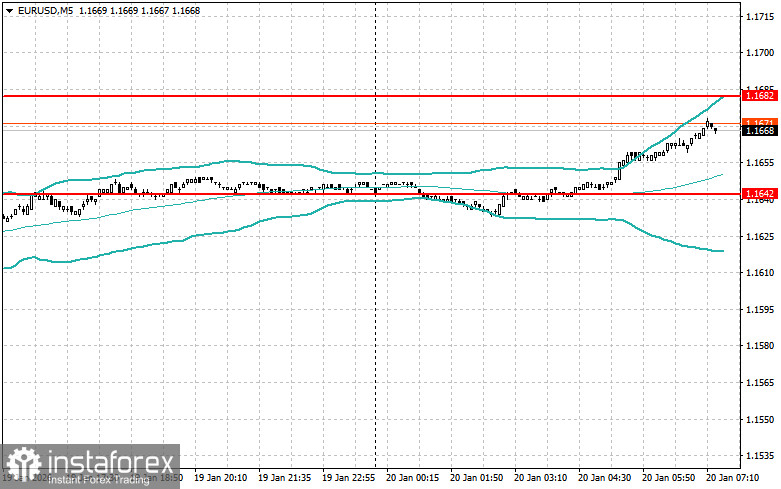
Talks that Europe may start selling US stocks and bonds in response to Trump's renewed trade war led to a sharp decline in the dollar and a strengthening of risk assets, including the euro and the British pound. Traders, frightened by the prospect of escalation, began to dispose of dollar assets and to seek safer havens in European currencies. Many experts forecast further volatility, stressing that the outcome of this potential new trade war is unpredictable.
European politicians have already indicated they are considering tariffs on US goods worth €93 billion in response to the threat of new duties. Some experts believe Europe will be forced to take a tough stance to protect its economic interests.
As for data, this morning Germany's producer price index, the German ZEW economic sentiment index, and the euro-area ZEW sentiment index are expected. These indicators will be important gauges of the European economy's health and will allow an assessment of its resilience amid global challenges.
The German producer price index, in particular, will provide insight into inflationary trends and pressures on businesses. A higher-than-expected print could signal rising inflation. The German ZEW economic sentiment index is a leading indicator of economic activity: positive sentiment can signal forthcoming growth, while negative sentiment points to a risk of slowing. Similarly, the euro-area ZEW sentiment index will help assess the overall business climate in the region. Together, today's releases could have a meaningful impact on the euro's dynamics.
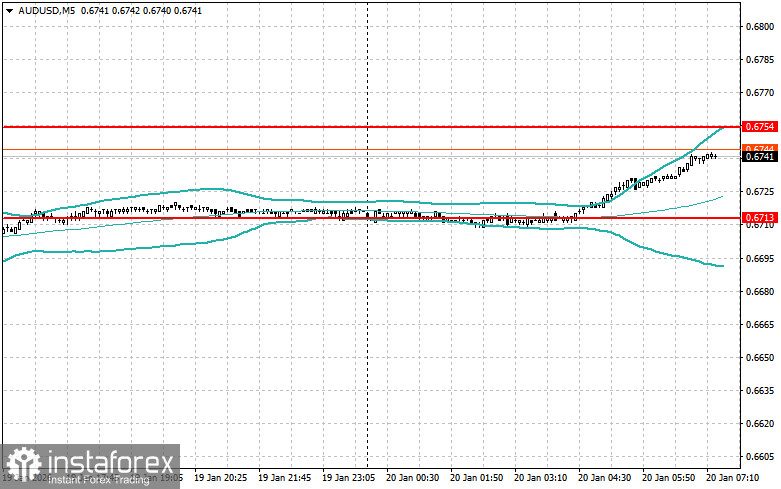
Regarding the pound, attention will focus on UK reports on changes in initial jobless claims and the unemployment rate. A fall in unemployment will indicate a strong labour market and could push the pound higher. At the same time, average earnings data will also be released, an important factor for assessing inflationary pressure. Wage growth outpacing productivity growth could lead to higher prices and inflationary pressure, adding impetus to the Bank of England.
If the data match economists' expectations, it is better to act using a Mean Reversion strategy. If the data are much higher or lower than economists' expectations, it is best to use a Momentum strategy.