
See also


 22.07.2026 09:40 AM
Escalating threats in the Strait of Hormuz and the Bab al-Mandeb have driven a sharp rise in oil prices and increased risks to global supplies. Against this backdrop, the yen plunged below 163 per dollar, reviving talk of Tokyo intervention. At the same time, reports show the US is investing roughly 20 times more than Europe in AI infrastructure, threatening a shift in technology leadership. In addition, Google unveiled three new Gemini models that could affect tech-sector dynamics and investor behavior.

Oil prices surged on Tuesday as mounting threats to two critical maritime routes, the Strait of Hormuz and the Bab al-Mandeb, prompted fresh concerns about major disruptions to global energy flows.
WTI futures gained more than 2%, rising to roughly $84.50/bbl, extending a rally that has pushed prices to multi-week highs amid unresolved Middle East tensions.
The move was driven by a simultaneous increase in shipping risks. Iran continues to interfere in the Strait of Hormuz, the route that normally handles about 20% of global oil and gas flows, while new threats have emerged against the Bab al-Mandeb in the Red Sea, a key alternative route for energy cargoes since the onset of the Strait of Hormuz standoff.
On July 16, Reuters reported that Iran ordered Yemen's Houthi movement to be prepared to close the oil route through the Red Sea if the US strikes Iranian energy infrastructure, citing three sources familiar with the matter. A source close to the Houthis added the group has prepared to attack shipping, deploying missiles and drones near the Bab al?Mandeb.
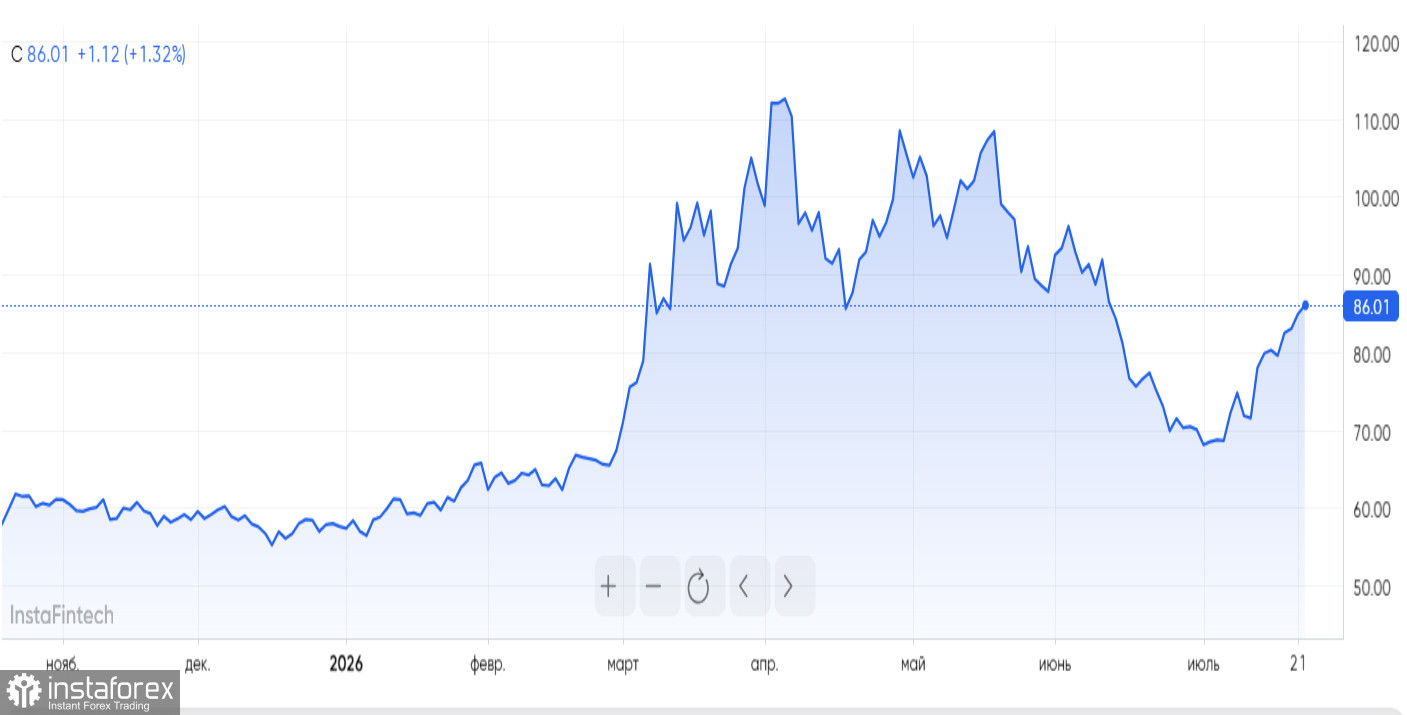
These threats further exacerbate an already tense supply picture. The Strait of Hormuz has been effectively blocked since early 2026 in the US-Iran conflict, increasing the Bab al-Mandeb's role in energy transit. Volume transiting the Bab al-Mandeb of crude and condensate has risen from about 3.7m b/d in Q1 2025 to roughly 5.4m b/d in recent months.
The implications for the global market are serious: the combination of physical threats to shipping and geopolitical uncertainty fuels price volatility and heightens market concerns about large-scale supply interruptions.
The trading instruments discussed in this note are available at InstaTrade. We recommend opening an account on the platform and downloading the mobile app so you can react quickly to price moves. InstaTrade's trading interface makes placing trades convenient and straightforward.

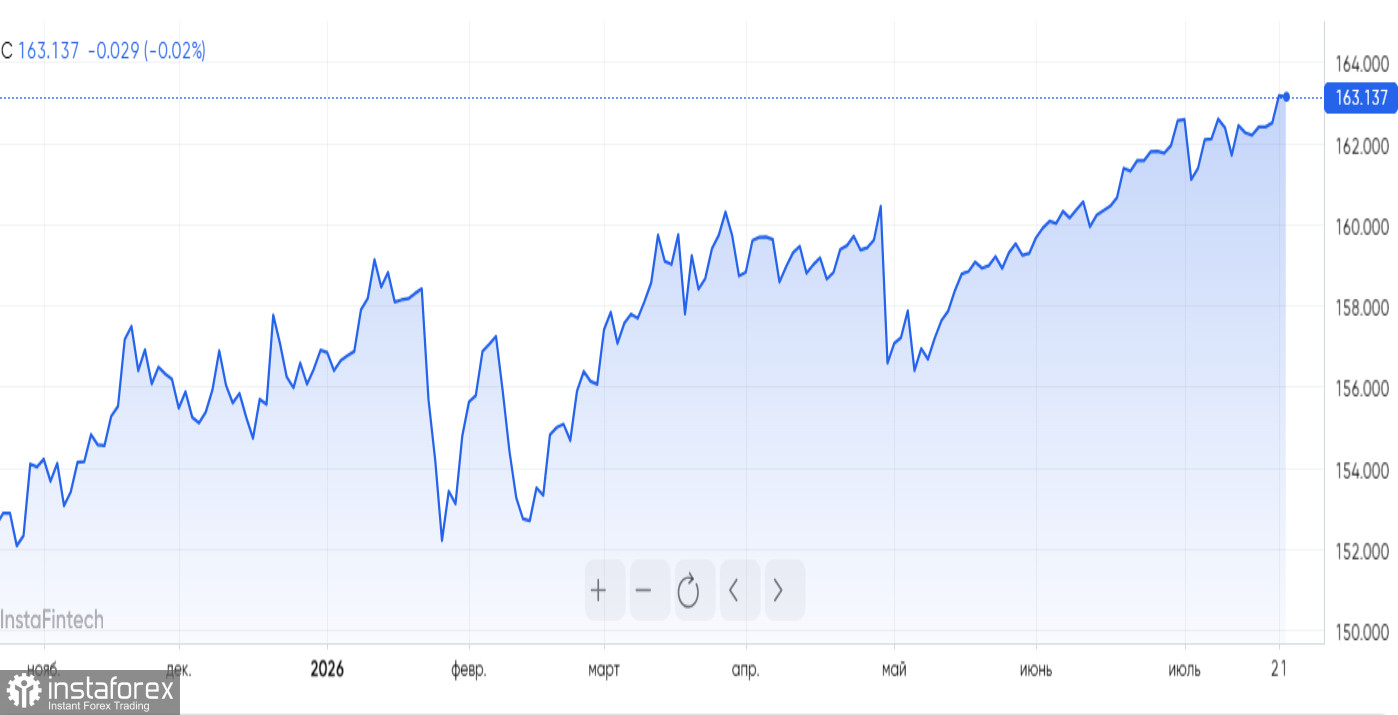
On Tuesday, the USD/JPY rate climbed above 163, reaching levels not seen since December 1986. According to GuruFocus, the pair hit 163.04, breaking out of the July range and marking a new yearly high. The move has intensified talk of potential Tokyo intervention to arrest the yen's decline.
The market is responding to several forces simultaneously. On the one hand, rising US Treasury yields make the dollar more attractive. On the other, higher oil prices worsen Japan's trade balance: the country is heavily dependent on energy imports, and rising commodity costs exacerbate the yen's structural weaknesses. Together these factors are feeding a prolonged downtrend for the yen — now four consecutive quarters of depreciation versus the dollar.
US companies are investing in artificial intelligence at multiples of their European peers, and the gap appears to be widening. That is the assessment in a Morgan Stanley report published on 20 July by senior analysts at the bank: "The US will spend 20 times more on AI than all of Europe."
The focus is primarily on the seven largest US hyperscalers, including Amazon, Alphabet, Microsoft, and Meta, which together plan roughly $700 billion of capex in AI infrastructure by 2026.
Confirmation came on 21 July from Yahoo Finance, which reported that the seven US hyperscalers intend to spend on AI roughly 20 times more than the whole of Europe.
Morgan Stanley estimates that AI investment is already making a measurable contribution to US economic growth, roughly 40 basis points this year, with a similar impulse expected next year.
Asia is also investing heavily: corporate capex in AI and semiconductors in the region is projected at about $380 billion in 2026. Europe, however, does not yet show comparable commitments from either hyperscalers or its own tech leaders.
A strong flow of capital into US AI infrastructure can support shares of large technology companies and related equipment suppliers. The Asian semiconductor market remains a major player, with significant investments underway there as well. Europe risks falling behind in AI infrastructure competition, which could weigh on local tech equities and long-term growth prospects.
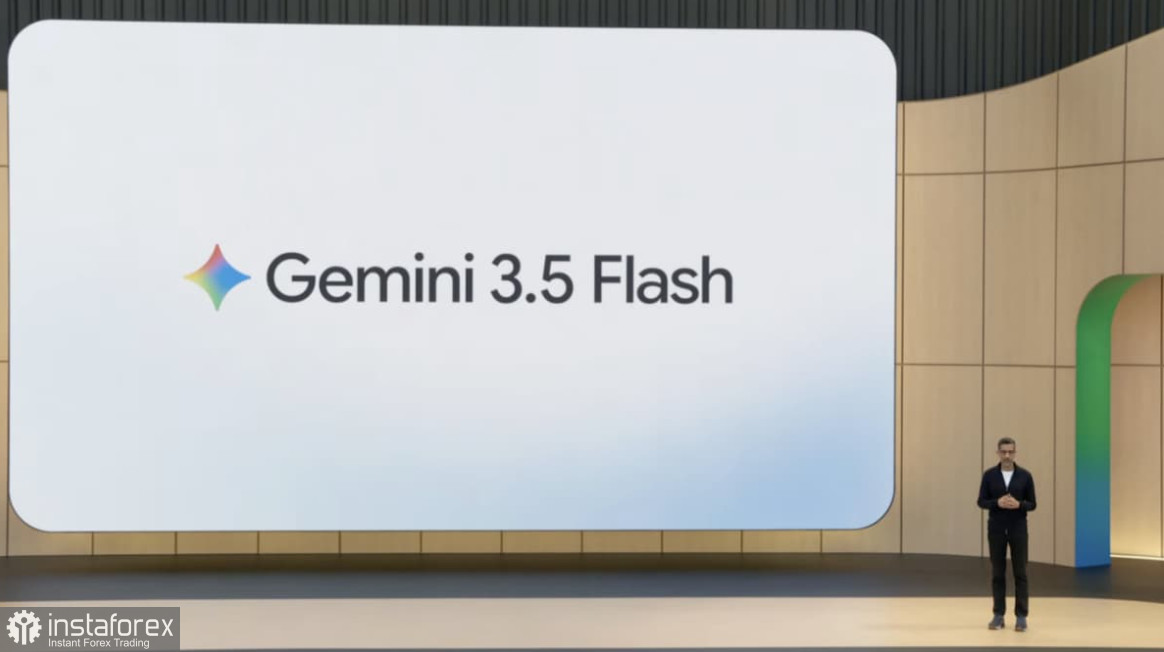
On Tuesday, Google announced three additions to the Gemini family: Gemini 3.6 Flash, Gemini 3.5 Flash-Lite, and Gemini 3.5 Flash Cyber. The company is betting on speed and lower costs for developers building AI agents. The most eagerly awaited release, Gemini 3.5 Pro, still has not appeared despite earlier promised timelines.
Google positions the new versions not as a single universal flagship but as focused workhorses. Gemini 3.6 Flash is described as a "workhorse": it delivers better performance than its predecessor on coding tasks, knowledge-base handling, and multimodal scenarios. According to the Artificial Analysis index, its output-token consumption has fallen by roughly 17% versus 3.5 Flash.
Gemini 3.5 Flash-Lite targets speed and cost efficiency: it can emit up to 350 output tokens per second and is aimed at high-throughput scenarios where price/performance is critical.
Gemini 3.5 Flash Cyber is a specialised cybersecurity model. Paired with Google's CodeMender agent, it is designed to find and fix code vulnerabilities. Business Insider reports that at launch this model will be available only to government customers and trusted partners.
Models 3.6 Flash and 3.5 Flash-Lite became available Tuesday via the Gemini API in Google AI Studio, on the Gemini Enterprise Agent Platform and in the consumer Gemini app.
In short, Google is emphasising niche, fast, and cheaper models rather than a single "universal" flagship.
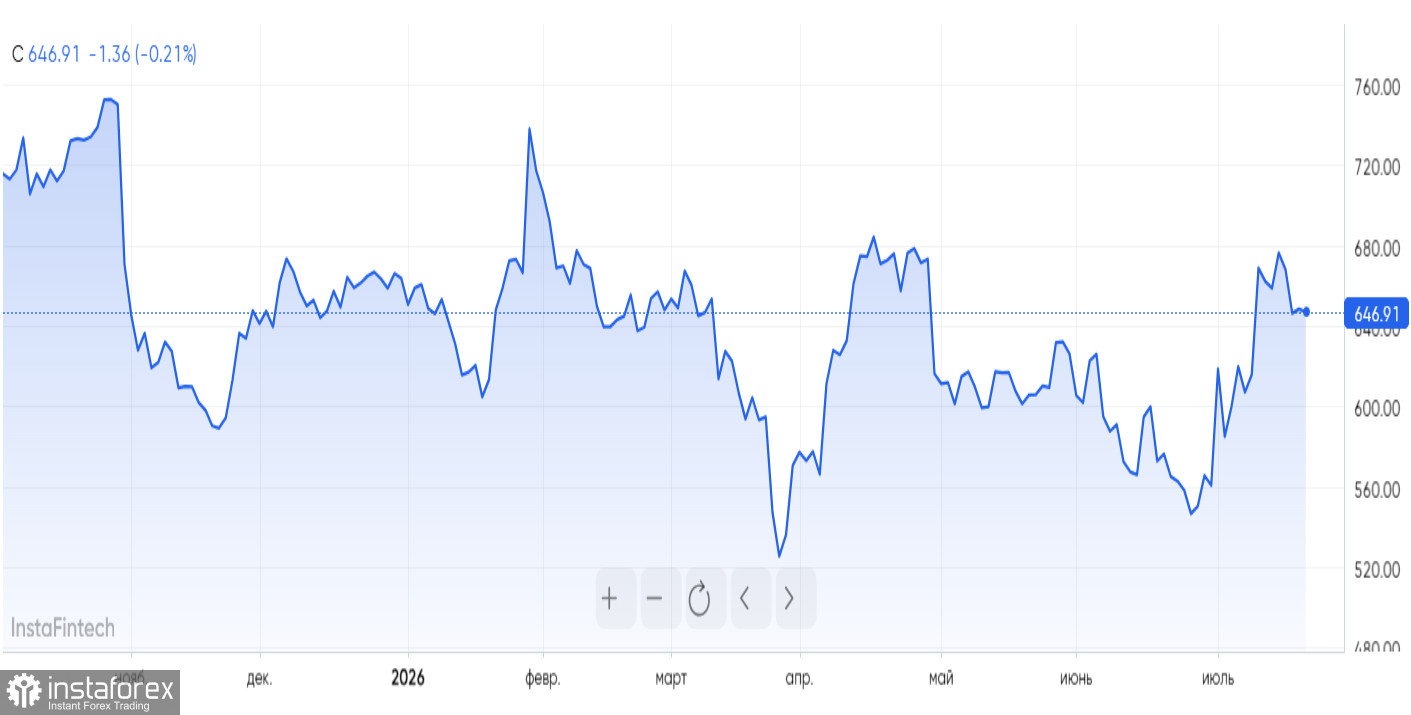
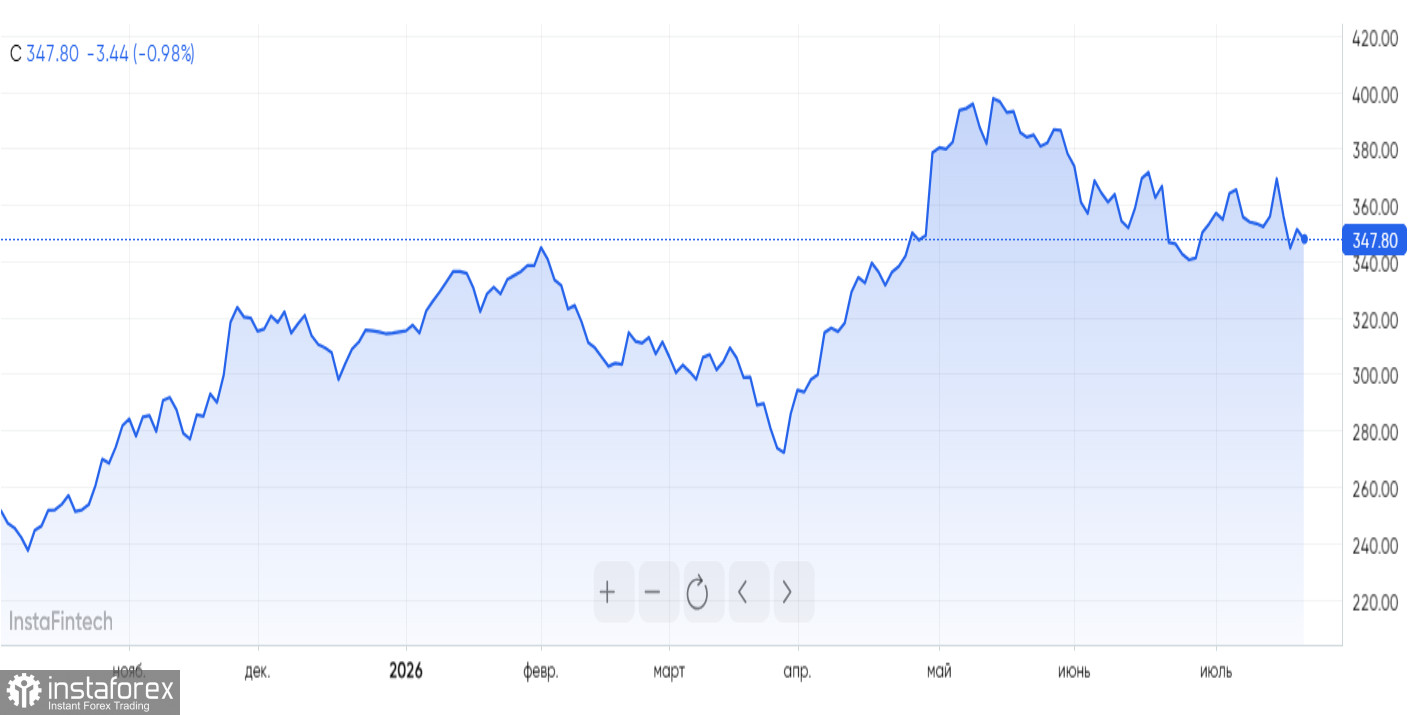
For traders and investors, such technology announcements typically increase sector volatility: news of AI progress and product releases can spur near-term demand for Alphabet shares and related tech instruments.
Notably, the topics and trading instruments referenced in this note are available on the InstaTrade platform. If you want to benefit from market moves following the Gemini release, open an InstaTrade trading account and download the company's mobile app to respond promptly to price fluctuations.


